
You’d think it’s impossible to end up with a scrapped car on the road… until it happens. A vehicle can look clean, drive “fine” on a quick spin, and still have a past that should’ve ended in a crusher.
If you’re here to find out how to check if a car has been scrapped, you’re already doing the smartest thing a buyer (or worried owner) can do: verify the facts before you trust the metal.
Because if a car has been officially scrapped, you don’t just risk wasting money; you could risk your safety, your insurance, and a world of admin pain.
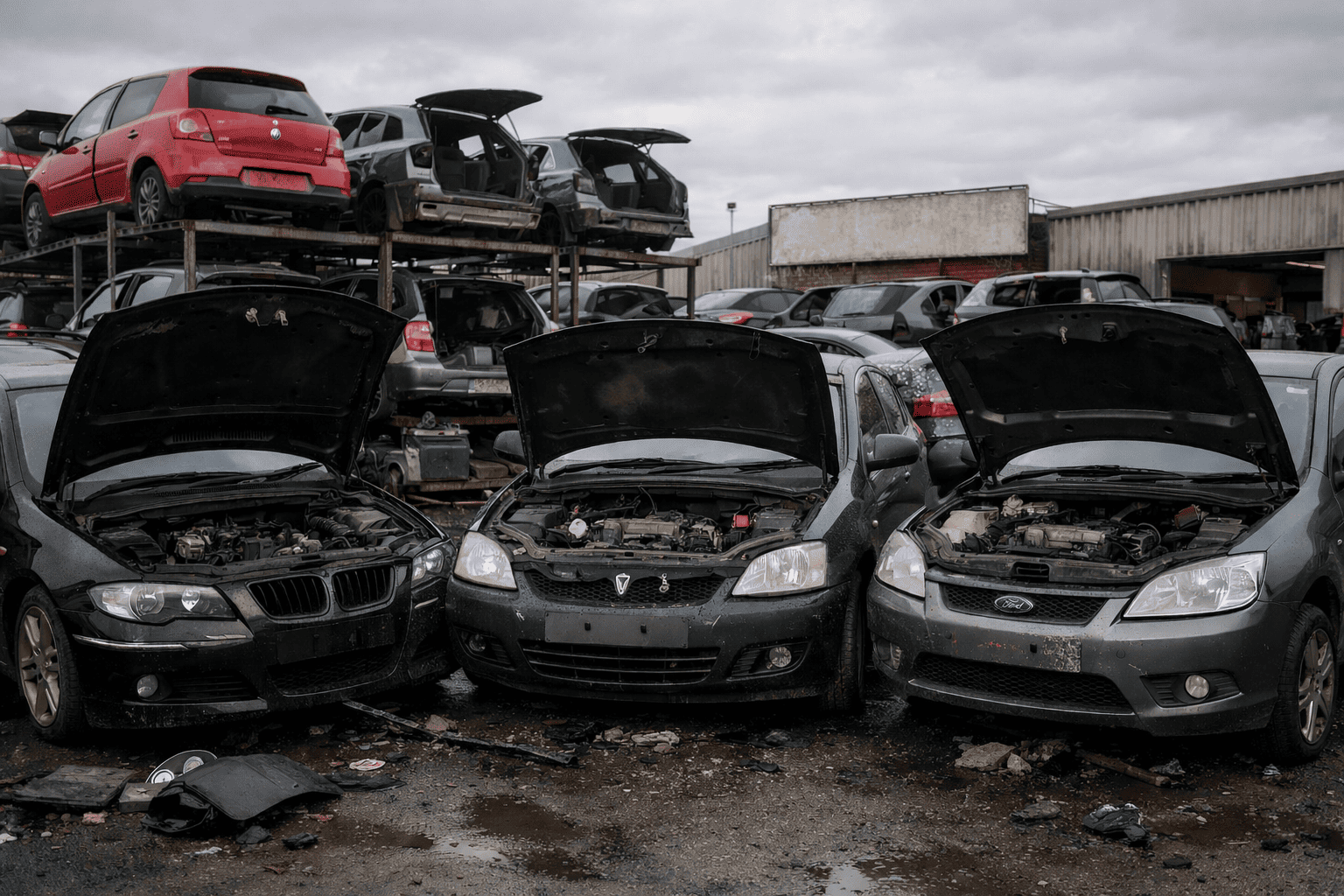
In the UK, a car that’s been properly scrapped is meant to be permanently taken off the road at the end of its life, often processed by an Authorised Treatment Facility (ATF), with a Certificate of Destruction (CoD) generated through DVLA systems, which feed directly into the vehicle licensing agency records.
Important: scrapped isn’t the same as a typical insurance write-off you might repair (like Cat S or Cat N). Some write-offs can return to the road legally if repaired properly, but some categories (like Cat A and Cat B) are not meant to return.
Here’s the uncomfortable truth: a car can be a “zombie vehicle”, something that shouldn’t be back on the road, and still look totally normal to a non-expert.
That matters because:
If you only do one thing when carrying out a car scrap check, do this:
(We’ll go through each properly below.)
The DVLA database provides a free service to check what information it holds about a vehicle, including tax/SORN, MOT expiry and other key vehicle data.
Also, check the official MOT history service to see test results and recorded mileages (from 2005 onwards).
You’re not looking for one magic “SCRAPPED” label (it’s not always displayed clearly). You’re looking for signals that the story makes sense, such as:
If you’re buying a used car, DVLA’s “get vehicle information” step is literally part of the buying process, for a reason.
A DVLA lookup is a good start. But if you’re specifically worried a car was scrapped at some point and want instant confirmation, you usually need a proper provenance/history check (often paid) to build a complete picture from multiple datasets.
Why this matters:
If a seller is pushing you to “just trust them”, that’s your cue to check harder.
People confuse “scrapped” with “written off” all the time.
In the UK, the ABI salvage categorisation code (supported by insurers and stakeholders) includes categories such as:
If a vehicle has ever been in the territory of Cat A or Cat B, you need to be extremely cautious. Cat A and B are widely described as vehicles that should be crushed/dismantled and not returned to the road.
If you’re buying the car, don’t be shy. You’re not being difficult, you’re being safe.
A CoD is generated through DVLA services for ATFs when vehicles are destroyed/depolluted.
If a vehicle truly had a CoD issued against it, that’s not “minor history”, that’s end-of-life paperwork.
If you spot two or more of these, stop treating it like a normal purchase:
That’s how people end up buying a car that should’ve stayed dead.
Do this in order:
If the vehicle is confirmed as something that shouldn’t be on the road, the safest play is to stop sinking money into it and get proper advice on next steps.
If you’re scrapping a vehicle (or you scrapped one in the past and want to be sure it’s “gone”), the safest route is:
If your checks are throwing up red flags, don’t take chances with a car that shouldn’t be on the road. The longer it sits, the more hassle it can become: neighbours, complaining, admin letters, insurance headaches… or worse, someone tries to “buy it as-is” and it ends up back out there.
Scrap Any Car makes the safe, legal option the easiest option:
Get your quote now and close the chapter today.
Don’t store a problem. Scrap it properly.